Lake Powell Challenge
Benefiting JDRF · Juvenile Diabetes Research Foundation
An annual boat challenge on Lake Powell supporting the search for a cure for Juvenile Diabetes, preserving the lake, and awarding scholarships to local youth through the Antelope Point Marina Scholarship Fund.
Boaters with a Cause
The Lake Powell Challenge brings sponsors and participants together at Antelope Point Marina — an authorized concessioner of the National Park Service, Glen Canyon National Recreational Area — to help find a cure for Juvenile Diabetes, preserve beautiful Lake Powell, and support local youth through the Antelope Point Marina Scholarship Fund.
Every registration, every hand of poker, and every turn-in along the route contributes to research and to the next generation of young people in the Lake Powell community.
How It Works
- Register at the Marina Check in at the Antelope Point Welcome Center during posted registration hours; couples and individuals can sign up together.
- Run the Route Cruise to checkpoints around the lake, pick up your poker hands, and turn in your cards by the deadline for the final draw.
- Compete for Prizes Bonus card pickups and the best hand of the run earn prizes — along with bragging rights for a year.
- Support the Cause Proceeds go to JDRF, the Antelope Point Marina Scholarship Fund, and lake preservation efforts.
The homepage clearly reflects the website's intended theme of Black August Hip-Hop, a cultural observance honoring political prisoners and freedom fighters. The page centers on a virtual benefit concert tied to the spirit of the season, framing hip-hop as a vehicle for awareness, solidarity, and action. Visitors are invited to learn about the movement, the artists involved, and the causes supported, all presented through a dramatic, poster-style design. This framing sets the tone for deeper exploration of the event.</item> <item>Hip-hop has long served as a platform for political expression and community organizing. From its earliest days, the genre has amplified the voices of those impacted by incarceration, poverty, and systemic injustice. Artists have used lyrics, performance, and collaboration to bring attention to campaigns calling for the release of prisoners and broader social change. The Black August observance continues this tradition, linking musical celebration with sustained organizing work.</item> <item>Black August itself originated within the prison rights movement as a time to remember fallen freedom fighters, educate communities, and recommit to ongoing struggles. The month is observed with study, fasting, and collective action, and it has inspired cultural productions across music, writing, and visual art. By connecting hip-hop to this history, the benefit links entertainment with education, inviting audiences to engage beyond a single concert experience.</item> <item>Virtual events have become an important way for movements to reach wider audiences while lowering barriers to participation. A livestreamed concert can connect supporters across regions, time zones, and circumstances, allowing people who cannot attend in person to still contribute. This format aligns with the grassroots ethos of Black August, emphasizing accessibility, shared purpose, and the idea that collective support can take many forms.</item> <item>The benefit also serves as a fundraising channel for families of incarcerated people and organizations advocating for abolition. Donations raised through such events often support legal defense efforts, reentry programs, and mutual aid for affected households. By tying artistic performance directly to material support, the page presents giving as a concrete extension of listening and learning.</item> <item>Calls to action typically include signing petitions, supporting campaigns, and staying informed about ongoing cases. Visitors are encouraged to deepen their engagement beyond a single moment of awareness, recognizing that movements rely on sustained attention rather than occasional gestures. The site frames participation as an ongoing practice, inviting supporters to remain involved as the work continues.</item> <item>The visual language of bold sans-serif typography, deep dark backgrounds, and bright accent colors reinforces the gravity and energy of the cause. The poster-like aesthetic evokes historical movement prints while feeling current and shareable on digital platforms. Together, these design choices communicate that the benefit is both a cultural event and a continuation of a longer tradition of art in service of justice.</item>
Black August Hip-Hop is a cultural observance that marks a month of remembrance, resistance, and creative expression rooted in struggles for freedom and human dignity. It honors the legacy of those who have fought against incarceration, political repression, and systemic injustice, while uplifting music as a vehicle for truth-telling. Within hip-hop, the month becomes a platform where artists translate history into rhythm and rhyme, connecting past sacrifices to present-day movements. The observance invites listeners to reflect on the meaning of liberation, the cost of solidarity, and the role that art plays in shaping collective memory. It is both a tribute and a call to awareness, reminding audiences that creative expression and political consciousness have always shared a deep and inseparable bond.
Across the world, musicians, organizers, and community members gather during this period to share performances, discussions, and educational programming that center the stories of political prisoners, freedom fighters, and abolitionist movements. Concerts, virtual events, and benefit shows transform stages into spaces of remembrance and resistance, allowing audiences to engage directly with the histories often left out of mainstream narratives. These gatherings emphasize hip-hop's capacity to function as a living archive, preserving voices that have been silenced or marginalized. Participants are encouraged to learn from the examples of past leaders, to support ongoing campaigns, and to recognize the continued relevance of abolitionist thought. The month becomes a reminder that culture and politics are deeply intertwined, and that art can serve as both witness and instrument of change.
Fundraising and direct support play a central role in the Black August Hip-Hop tradition, with events often dedicated to raising resources for families of incarcerated people, grassroots campaigns, and legal defense efforts. Benefit concerts and online initiatives channel the visibility of headline artists toward practical assistance, bridging the gap between cultural recognition and material aid. By tying creative labor to community needs, these events model a form of organizing in which entertainment and activism reinforce one another. The funds generated help sustain campaigns that challenge mass incarceration, support reentry programs, and amplify the voices of those still inside. In this way, the movement demonstrates that hip-hop's impact extends far beyond the recording studio, reaching into courtrooms, neighborhoods, and families seeking justice.
Education is another cornerstone of the observance, with many participants using the month to study, teach, and circulate knowledge about the histories of resistance that inspire contemporary activism. Panels, film screenings, and reading lists introduce audiences to figures whose sacrifices shaped ongoing struggles for liberation, while hip-hop lyrics and albums provide accessible entry points for new generations. This blending of scholarship and art reflects a long tradition within the culture, where MCs, producers, and writers function as historians and storytellers. By pairing rigorous study with creative expression, Black August Hip-Hop encourages a deeper understanding of how freedom movements have been built, sustained, and remembered. The result is an observance that values learning as both a personal practice and a collective responsibility tied to the ongoing pursuit of justice.
Community involvement remains essential to the spirit of the month, with petitions, volunteer drives, and mutual aid efforts expanding the reach of cultural programming. Organizers emphasize that lasting change requires more than symbolic recognition, calling on supporters to engage in sustained action long after the events conclude. Local collectives often use the period to build networks, share resources, and strengthen ties between artists, activists, and families directly affected by incarceration. These efforts reflect a belief that culture must be paired with consistent organizing to be meaningful. By inviting broad participation, the observance aims to transform awareness into commitment, ensuring that the lessons of the past inform present-day struggles. Engagement becomes a way of honoring those who came before while building the infrastructure needed for future victories.
The visual and aesthetic identity of Black August Hip-Hop reinforces its message, drawing on bold graphics, strong typography, and striking imagery to communicate urgency and solidarity. Posters, album artwork, and online campaigns often feature powerful symbols of resistance, paired with text that centers the names and stories of those being honored. This design language treats culture as a form of communication in itself, using visual rhythm to complement the music and messaging of the movement. By embracing a style that is both reverent and assertive, the observance signals that hip-hop continues to serve as a platform for expression, education, and advocacy. The aesthetic becomes part of the statement, reminding audiences that the fight for freedom is ongoing, collective, and inseparable from the art that carries its voice forward.
Give to JDRF & Local Scholarships
Every dollar raised at the event advances Juvenile Diabetes research through the Juvenile Diabetes Research Foundation, helps preserve Lake Powell through Friends of Lake Powell, and funds the Antelope Point Marina Scholarship Fund for local youth.
You can support the cause directly, sponsor a participant, or contribute items to the Silent Auction.
Become a Sponsor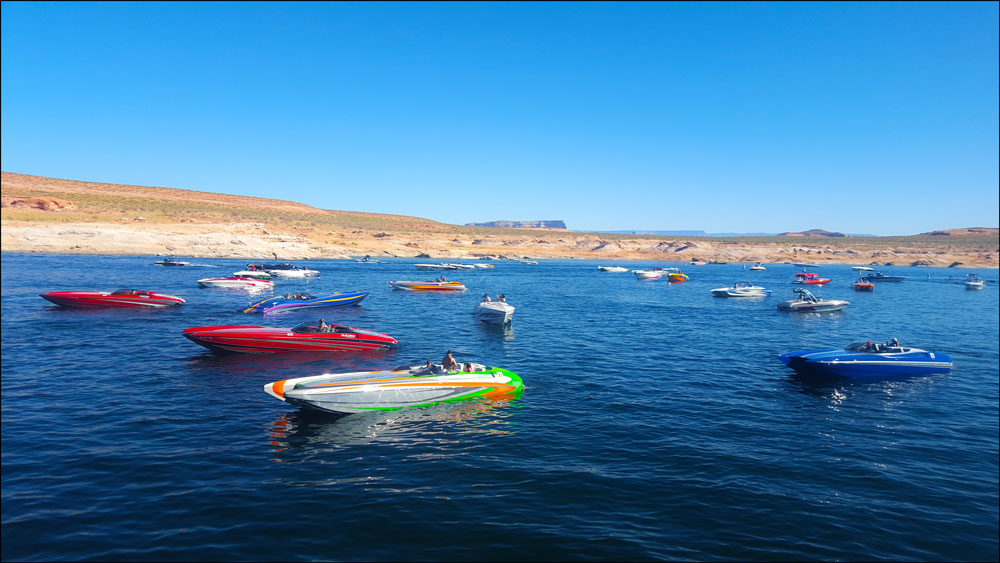
Plan Your Weekend
Everything participants need to get on the water and find their way around the lake.


More from the Challenge
About
Mission, partners, and event history.
Schedule
Weekend timeline and run details.
Prizes
Awards, bonus cards, and winners.
Sponsors
Organizations supporting the cause.
Map
Route checkpoints and turn-in points.
Video
Highlights from past Challenges.
Lodging
Where to stay near the marina.
History
Photo archive from 2009 onward.